
What is Sideburn Transplantation?
Sideburn transplantation is an aesthetic procedure in which hair follicles are transplanted to areas with sparse or thinning sideburns.
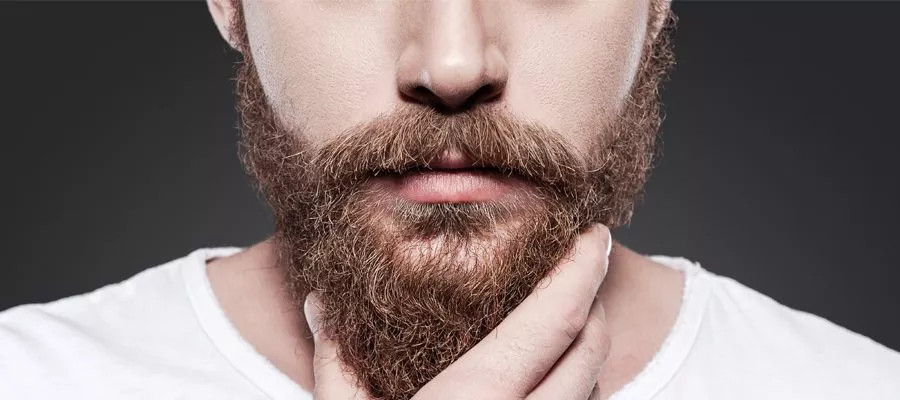
In this procedure, healthy hair follicles, usually taken from the nape of the neck, are transplanted to the sideburns line in a natural direction and density. In men, sideburns, which complement the beard and mustache, contribute to a more defined and masculine appearance of the face. Sideburn transplantation is performed under local anesthesia and is a painless procedure. The transplantation, performed using the micro-motor FUE technique, provides natural results without leaving scars. The healing process is short, and the results are permanent. It completes facial symmetry, providing an aesthetically pleasing look.
How to Create Your Sideburn Design?
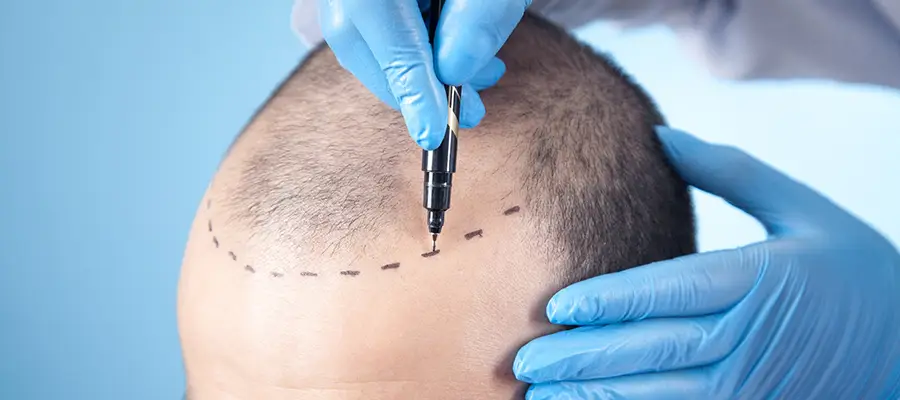
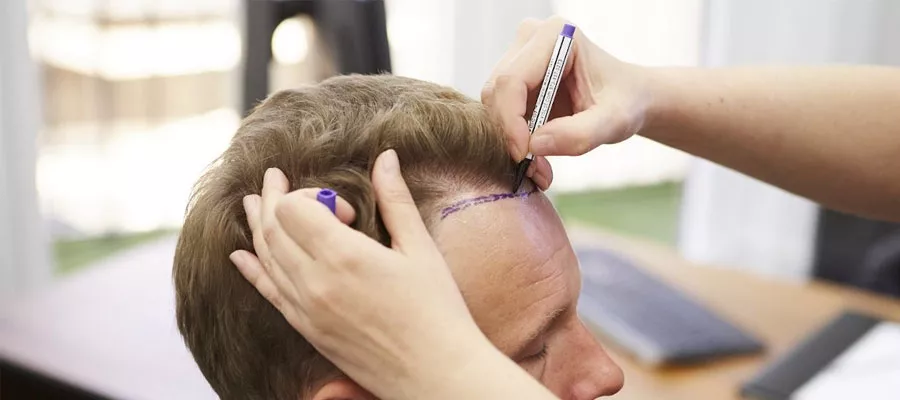
The sideburn design is custom-planned according to the person’s face shape, hair type, and beard line.
After analysis by a specialist doctor, the sideburn line is drawn considering natural density, direction, and symmetry. A design that is harmonious with the eyebrow, beard, and hairline makes the facial expression more balanced. The sideburn area is adjusted to provide a symmetrical and aesthetic appearance. During the design phase, the patient’s expectations are blended with a natural look. This stage, which is the preliminary preparation for a successful transplant, is quite critical. Proper planning is the foundation of natural and lasting results.
What are the benefits of Sideburn Transplantation?
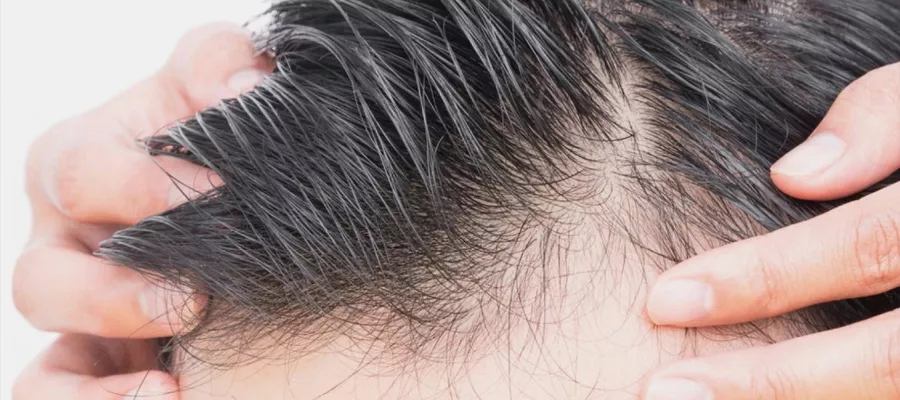
Sideburn transplantation reshapes thinning or missing sideburn areas, giving them a natural and aesthetically pleasing look.
The absence of a sideburn line can negatively affect the integrity of the hair and beard, as well as facial symmetry. Sideburn transplantation provides natural-looking and permanent sideburns. It blends with the beard and hairline, creating a more masculine look. Gaps resulting from hair shaving can be completely eliminated with this procedure. Sideburn transplantation is also effective in covering gaps caused by trauma, scars, or genetic factors. It contributes to reducing aesthetic concerns and increasing self-confidence.
Who is it suitable for?
Sideburn transplantation is suitable for anyone experiencing thinning, hair loss, or deformation in their sideburn area.
Individuals with genetically inconsistent sideburns, those with scars from trauma, or those who desire more prominent sideburns for aesthetic reasons can benefit from this procedure. It is highly preferred by men who want to improve the harmony between their beard and hairline. It is an effective solution for individuals who have lost the naturalness of their sideburn line or are bothered by an asymmetrical appearance. Anyone with sufficient hair follicles in the donor area can undergo sideburn transplantation. The procedure is performed painlessly under local anesthesia and provides permanent results.
Who is it not suitable for?
Sideburn transplantation is not suitable for those with active skin disease, those who do not have sufficient donor grafts, and those with serious health problems.
Furthermore, the risk of the procedure may increase in individuals with chronic conditions such as diabetes, heart disease, and blood clotting disorders. Hair transplantation is not recommended for individuals with skin infections, eczema, or open wounds. The healing process may be prolonged in individuals with weakened immune systems. Results may also be limited in individuals with compromised skin integrity or very deep scarring in the hair transplant area. A thorough pre-procedure examination should be conducted by a specialist physician to assess the individual’s suitability.
How many grafts are needed for a sideburn transplant?
- The number of grafts required for a sideburn transplant varies depending on the individual’s facial structure and the width of their sideburns.
- Usually 150–300 grafts are sufficient for one side.
- When both sides are planned together, a total of 300–600 grafts are transplanted.
- For a natural appearance, it is preferable for the grafts to be thin and individual.
- The length and density expectations of the hair follicle directly affect the number of grafts required.
What is the difference between sideburn transplantation and beard/mustache transplantation?
Sideburn transplantation is only performed on the sideburn line in front of the ear, while beard and mustache transplantation covers larger areas.
While beard/mustache transplantation extends to different areas of the face such as the chin, cheeks, and upper lip, sideburn transplantation is more limited and regional. Therefore, the number of grafts, density, and directional details differ. In sideburn transplantation, the natural direction of hair growth is planned more precisely because a line is created that merges with the hair. In beard transplantation, symmetry and density are prioritized. Although both procedures use the FUE technique, regional goals and aesthetic concerns vary.
Which technique is used for sideburn transplantation?
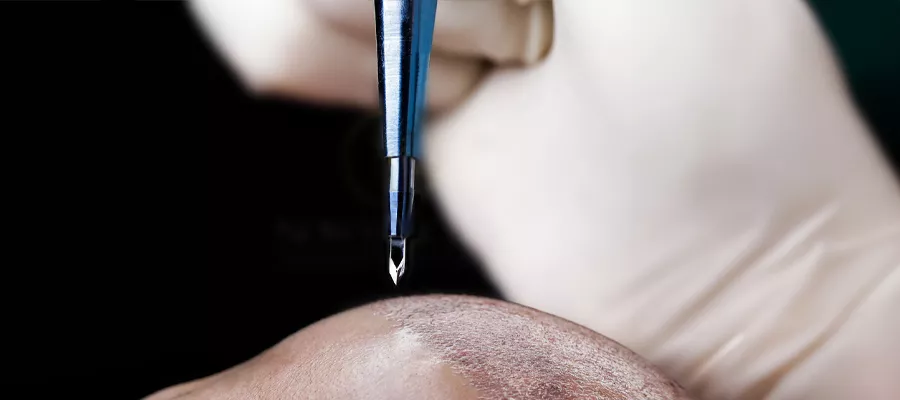
Sideburn transplantation is usually performed using microsurgical techniques, specifically the FUE (Follicular Unit Extraction) technique.
In the FUE technique, healthy hair follicles taken from the nape of the neck are individually placed along the sideburns line. Using a micro-motor, the extracted grafts are carefully implanted in accordance with the natural direction and angle of the hairline. This method leaves no scars and the recovery time is quite short. The procedure, performed under local anesthesia, takes approximately 1-2 hours. Because the sideburns area is small, it requires delicate work and aesthetic planning. FUE is the most preferred technique for sideburns transplantation due to its natural results and permanence.
When should you shave after a sideburn transplant?
It is generally recommended to wait 3 to 4 weeks before shaving after a hair transplant.
This timeframe is crucial for the successful implantation of the grafts and a healthy healing process. The area will be sensitive during the first few weeks, and premature shaving can cause irritation and graft loss. Instead of shaving with a machine, it’s best to avoid touching the area until the time indicated by your doctor. Patience during this period directly impacts the results of the transplant. When shaving is necessary, it should be done under expert supervision and using recommended methods. With proper care and timing, the post-shaving appearance will be more natural and aesthetically pleasing.
Can shock shedding occur in hair transplantation?
- This is a natural part of the hair follicles’ adaptation process to their new location.
- It usually starts within 2–6 weeks after transplantation.
- What falls out are the hairs themselves; the roots remain in place.
- Therefore, it does not mean a permanent loss.
- New hairs begin to grow after shock shedding, starting from the 3rd month.
Risks and Complications of Sideburn Transplantation
Although the sideburn transplantation procedure is low-risk, some complications such as infection, redness, or swelling can develop.
Although not a surgical procedure, local reactions can occur during graft harvesting and implantation. The risk of infection increases if the procedure is not performed under sterile conditions. Additionally, mild pain, itching, or crusting may be observed in the first few days. These symptoms are usually temporary and heal quickly with proper care. Rarely, there is a risk of graft failure or asymmetrical appearance. Therefore, it is important that the procedure is performed by an experienced specialist. Following doctor’s check-ups and recommendations minimizes all risks.
When Will My Sideburn Transplantation Take Root?
The results of a hair transplant usually fully settle and become permanent within 6 to 12 months.
Crusting and shock shedding may occur in the first few weeks. Hair follicles enter a resting phase, after which new hair begins to grow. A noticeable change begins from the third month onwards. After the sixth month, the hair thickens, density increases, and the natural look becomes more pronounced. By the end of one year, the transplanted hairline will be harmonious and symmetrical on the face. To accelerate this process, the care products and check-ups recommended by the doctor should not be neglected. Patience is important for achieving the most natural and aesthetic result.
Sideburn Transplantation Prices 2026
In 2026, the average price for a sideburnt transplantation ranges from 3,000 £ to 8,000 £
Is there an ideal age range for a hair transplant?
The ideal age range for a sideburn transplantation is generally considered to be between 25 and 45 years old.
Hair loss usually stabilizes at this age, making it easier to achieve lasting results. For individuals under 25, it’s recommended to wait before considering a transplant as hair structure can still be variable. For those over 45, a transplant can be performed if their health and donor area quality are suitable. At any age, it’s important to have realistic expectations and act based on expert assessment. A hair transplant performed at the appropriate age offers natural and long-lasting results.
Is it necessary to completely shave the sideburns before a sideburn transplant?
For sideburn transplantation, completely shaving the sideburns is often not necessary, but it may be recommended in some cases.
A successful sideburn transplant can be performed with partial shaving, and social life is less affected. However, some clinics may prefer complete shaving for easier graft placement. Complete shaving facilitates the process, especially in cases requiring dense transplantation. If there are aesthetic concerns, unshaven methods may be preferred. The expert will decide which method to apply based on hair structure and the area to be treated. Proper planning is important for a natural look and symmetry.
Is it possible to have hair transplantation on only one side (one side of the hairline)?
Yes, hair transplantation can be performed on just one side, meaning one sideburn, and this procedure is commonly performed.
Some individuals may have a congenital deficiency in their sideburns or thinning on one side. In such cases, graft transplantation is performed only on the area where it is needed. The procedure is planned taking facial symmetry into consideration. Unilateral sideburn transplantation offers advantages in terms of cost and recovery time. Thanks to experienced specialists, a natural look is achieved, and results harmonious with the facial structure are obtained. A detailed analysis is required before planning.
Will a sideburn transplant be successful on a dimple/scar on the cheek?
Yes, hair transplantation can be performed on hollows or scars in the cheek, but the success rate depends on the structure of the scar.
Because scar tissue has less blood supply than normal skin, the chances of graft success may decrease. However, this rate can be increased with appropriate techniques and by an experienced specialist. Before a hair transplant in the scar area, the doctor evaluates the skin structure and the condition of the tissue. In some cases, supportive treatments such as PRP may be applied before the transplant. The success rate is generally high in thin, superficial scars. Expectations should be lower in thick and deep scars.
Should a hair transplant be postponed if there are dermatological problems (seborrheic dermatitis, eczema, folliculitis)?
Yes, if there are active dermatological problems, the sideburn transplantation is usually postponed and skin health is treated first.
Conditions such as seborrheic dermatitis, eczema, or folliculitis can increase the risk of inflammation in the transplantation area. Therefore, dermatological problems should be controlled before the procedure. Active skin diseases make it difficult for grafts to take root and negatively affect the healing process. Experts plan the transplantation procedure after resolving the problems with appropriate medication and skin treatments. A healthy skin surface is essential for successful and lasting transplantation results. The decision for transplantation must be made jointly by a dermatologist and a hair transplant specialist.
How long before October should I stop taking Aspirin/Blood Thinners?
- Aspirin and similar blood thinners should generally be discontinued 7 days before a hair transplant.
- These medications increase the risk of bleeding and may negatively affect graft engraftment.
- Aspirin, Coraspin, and similar medications delay blood clotting.
- Herbal blood thinners can have the same effect.
- Supplements such as omega-3, vitamin E, and ginkgo biloba should also be discontinued.
- Patients who take medication regularly must inform their doctor.