
What is Post-Obesity Surgery?
Procedures performed to remove sagging skin and excess tissue that occurs after rapid weight loss are defined as post-obesity surgery.
These procedures aim to create more balanced body contours and reduce excess skin. Post-obesity surgery can remove loose tissue from the abdomen, arms, legs, back, and chest. The process of post-obesity surgery contributes to both improving aesthetic appearance and facilitating daily movement. Improved clothing fit, reduced skin irritation, and increased physical comfort are among the primary goals of these procedures.
How is surgery performed after obesity?
Following the planning process, procedures involving the removal of excess skin and tissue are performed as post-obesity surgery.
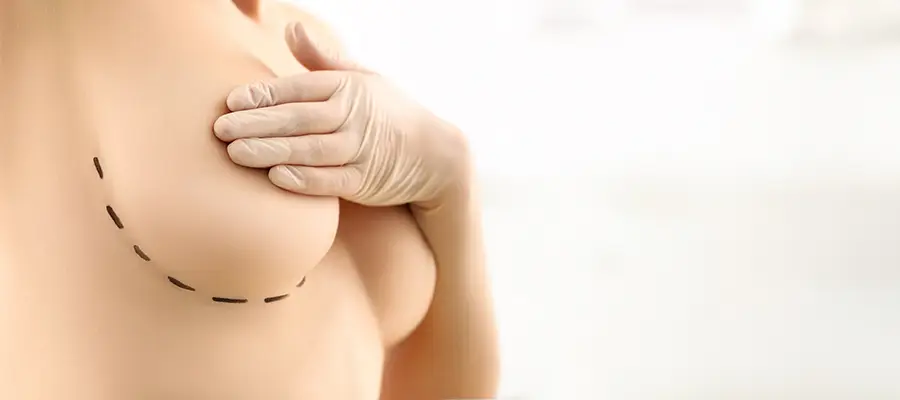
The first step involves assessing body measurements and determining which areas will be treated. During post-obesity surgery, sagging skin is removed, and the remaining tissues are tightened. In some cases, post-obesity surgery may involve more than one area in the same session. The duration of the surgery and the choice of method depend on individual needs, and the recovery process varies depending on the number of areas treated.
What procedures does post-bariatric surgery include?
All cosmetic procedures performed to restore body shape after weight loss are considered within the scope of post-bariatric surgery.
During this process, tummy tucks, arm lifts, thigh lifts, back lifts, and breast lifts can be performed. Post-bariatric surgery removes sagging tissues, making the body more proportionate. Often, post-bariatric surgery is planned in multiple sessions. The goal is not only to improve appearance but also to increase comfort in daily life.
Why is body shaping necessary after obesity?
Procedures performed to correct sagging skin that occurs when skin loses elasticity are applied as post-obesity body contouring.
After rapid weight loss, the skin cannot recover and excess skin remains. In this case, post-obesity body contouring provides both aesthetic and physical comfort. The procedure eliminates subcutaneous fat deposits and makes body contours more defined. It also reduces problems such as chafing and irritation caused by friction.
How to Firm Up Sagging Skin?
Surgical methods are the most effective solution for restoring skin that has lost its elasticity after weight loss.
Exercise and skincare products offer limited benefits and are insufficient for advanced sagging. At this point, post-bariatric surgery removes excess skin and tightens the remaining skin. Post-bariatric surgery improves both the appearance and creates a smoother texture. Permanent tightening is usually achieved through surgical methods.
When is the best time to perform cosmetic procedures after obesity?
Once weight loss is complete and body weight has stabilized, the most appropriate time to perform post-obesity surgery is by then.
Generally, after losing weight, it is expected that the patient will maintain the same weight for at least six months. Post-obesity cosmetic procedures performed during this period help prevent the formation of new sagging skin. Early post-obesity cosmetic procedures may negatively affect the permanence of the results. Planning post-obesity cosmetic procedures after body balance has been achieved both shortens the recovery period and ensures that the aesthetic appearance is maintained for a longer time.
The Process of Abdominoplasty and Breast Augmentation After Obesity
Procedures performed to tighten sagging abdominal and breast tissue are known as abdominoplasty and breast augmentation after obesity.
During this procedure, excess skin is removed from the abdominal area, and the breast tissue is reshaped to a more upright form. Post-obesity tummy tuck and breast augmentation contribute to the reshaping of body contours. Often, post-obesity tummy tuck and breast augmentation can be planned in the same session. Recovery time varies from person to person, but a return to daily life is usually possible within a few weeks.
Preparing for Cosmetic Surgery After Obesity Surgery
The preparation process following the restoration of body balance is of great importance for aesthetic results after obesity surgery.
During this period, weight is monitored and general health status is assessed. Blood values, diet, and lifestyle habits are considered in the aesthetic planning following obesity surgery. Preparing for the procedure and planning the aesthetics after obesity surgery forms the basis for both safe procedures and better results. Proper preparation ensures a more comfortable recovery period.
How many sessions does cosmetic surgery after obesity treatment take?
Depending on the number of areas to be treated, post-obesity surgery may require one or several sessions.
Procedures performed on a single area are usually completed in a single session. However, post-obesity aesthetic treatments planned for multiple areas can be divided into different time periods. This approach allows the body to recover more easily. Often, post-obesity aesthetic treatments are performed in two or three sessions. The intervals between sessions are determined according to the healing process, and results gradually become clearer after each session.
Who is a suitable candidate for post-obesity cosmetic procedures?
These procedures are suitable for individuals who maintain a healthy weight and are in good general health.
Individuals who have completed their weight loss process are considered candidates for post-obesity aesthetic procedures. These operations yield effective results, especially in individuals who have lost skin elasticity and have localized sagging. One of the most important criteria for surgery is that body weight has not changed in the last 6 months. In addition, having chronic diseases under control is also a preferred factor.
Prices for Post-Obesity Surgery in 2026
Post-obesity surgery prices in 2026 typically range between $6,000 and $80,000, depending on number of procedures, country, and surgery complexity.
How many months after obesity can cosmetic surgery be performed?
Cosmetic procedures can generally be started from the 6th month after weight has stabilized.
For individuals requiring body contouring, the ideal timing for post-obesity surgery is six months after the completion of the weight loss process. During this period, weight should stabilize and body metabolism should return to normal. Aesthetic procedures should not be undertaken without evaluating skin tightening and internal organ health. The surgeon’s assessment will be decisive in determining the timing of the procedure.
How to Restore Sagging Skin After Obesity?
Sagging skin can be surgically removed and tightened through body contouring surgeries.
Skin sagging caused by rapid weight loss is corrected with surgical procedures following obesity. These excess skin areas, particularly in the abdomen, arms, thighs, and chest, affect not only aesthetic appearance but also hygiene and quality of life. Surgical intervention reshapes these areas, giving them a firmer structure. This procedure is usually performed in sessions rather than as a single step.
Is Body Shaping Surgery Risky?
Because they are performed under general anesthesia, body contouring surgeries carry certain risks.
Risks such as bleeding, infection, and delayed tissue healing are complications that can be encountered during body contouring surgery. Because post-obesity surgeries cover large areas, they require surgical precision and expertise. The surgeon’s experience, the equipment of the operating center, and the patient’s medical history play a major role in reducing risks. With well-planned surgeries, these risks can be minimized.
Can Full Body Aesthetic Surgery Be Done in a Single Session?
Multiple areas can be treated simultaneously, but full body aesthetics are not always performed in a single session.
The longer the procedure, the more difficult the recovery process can be. Therefore, when planning, full body aesthetics are usually divided into several stages within safe limits. In some people, full body aesthetics may be possible in a single session, but this depends on body structure and the procedures to be performed. Recovery after long operations may progress more slowly. Therefore, full body aesthetics are often performed in different sessions in a controlled manner.
Are Aesthetic Effects Permanent After Obesity Treatment?
It is possible to maintain the results for a long time, but the permanence of post-obesity surgery depends on lifestyle.
Maintaining a healthy weight is crucial for preserving the achieved appearance. If weight regain occurs after obesity-related cosmetic surgery, sagging may reappear. When regular eating and exercise habits are maintained, the results of obesity-related cosmetic surgery are generally permanent. However, significant weight fluctuations can cause the shape achieved through obesity-related cosmetic surgery to deteriorate over time.
Will the scars fade with time?
Surgical scars do not disappear completely, but their visibility decreases over time.
In the first few months, the scars may appear darker and harder. As the process progresses, post-obesity cosmetic scars become closer to the skin’s color. With proper care, post-obesity cosmetic scars can be made less noticeable. In most people, the scars turn into fine lines and are not noticeable in daily life.
Which areas require cosmetic intervention?
Areas with significant sagging are generally considered areas requiring cosmetic intervention.
The most frequently treated areas are the abdomen, arms, legs, back, and chest. Post-obesity surgery in these areas aims to reduce excess skin. In some individuals, the face and neck area may also be considered as part of post-obesity aesthetic procedures. Which areas will be treated is determined based on the degree of sagging and individual needs.
Can aesthetic procedures prevent weight gain after obesity?
Cosmetic procedures do not stop weight gain, but they help maintain surgical body shape after obesity.
These procedures involve removing excess skin and tissue, not burning fat. If unhealthy eating habits continue after obesity surgery, weight gain may occur again. However, when regular lifestyle habits are maintained, obesity surgery provides motivation to support weight control.