
What is gynecomastia?
In men, the abnormal enlargement of breast tissue due to hormonal imbalance is called gynecomastia.
Gynecomastia is a common condition in men that causes a feminine appearance in the chest area. It usually results from imbalances in estrogen and testosterone levels. This condition can develop during puberty, in old age, or after the use of certain medications. Besides aesthetic concerns, gynecomastia can also have psychological effects. It can be diagnosed through physical examination and imaging methods. If necessary, it can be treated with surgical intervention.
What causes gynecomastia?
Hormonal imbalances, medication use, and certain health problems can cause gynecomastia.
Gynecomastia develops in men as a result of increased estrogen relative to testosterone, leading to enlargement of breast tissue. Puberty, aging, liver diseases, and hormonal imbalances can trigger this process. Anabolic steroids, antidepressants, or certain blood pressure medications can also increase the risk of gynecomastia. Obesity and excessive alcohol consumption also contribute to this condition. A detailed health screening is necessary to determine the cause of gynecomastia. The treatment plan is tailored to the underlying cause.
How is gynecomastia diagnosed?
If there is hardness, swelling, and tenderness in the breast area, gynecomastia should be considered as a possibility.
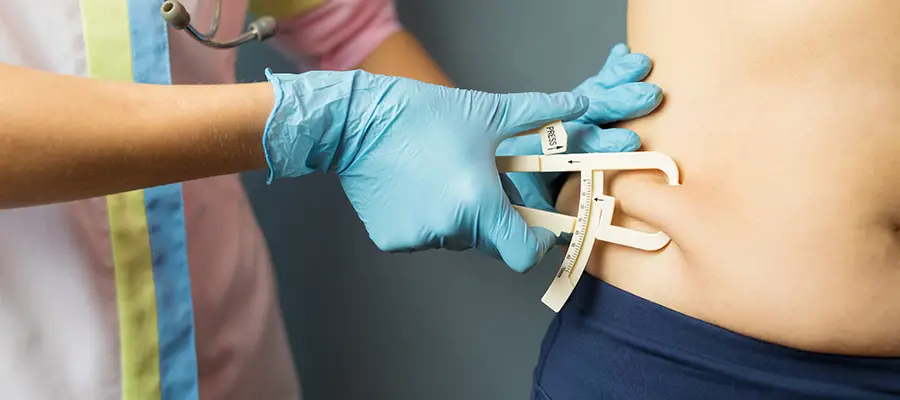
Gynecomastia typically manifests as a visible enlargement of breast tissue. It can develop unilaterally or bilaterally. Tenderness, pain, and asymmetrical swelling in the breasts are common symptoms. Gynecomastia can be diagnosed through a physical examination; ultrasound or hormone tests may be requested if necessary. It should not be confused with breast enlargement in men, lipomas, or fat deposits. The most reliable way to determine if you have gynecomastia is to be evaluated by a specialist doctor.
What are the treatment methods for gynecomastia?
Treatment options for gynecomastia may include medication, liposuction, or surgical removal of breast tissue.
Gynecomastia treatment varies depending on the severity and cause of the condition. In mild cases, medications that balance hormones may be used. If there is excessive fat, liposuction is used to remove excess fat and reshape the breasts. In cases with firm breast tissue, the tissue is completely removed through surgical intervention. The recovery process after treatment is rapid, and the aesthetic appearance is significantly improved. Gynecomastia treatment is a safe and effective solution that improves the patient’s quality of life.
How is gynecomastia surgery performed?
Gynecomastia surgery involves surgically removing excess breast tissue and fat.
Gynecomastia surgery is usually performed under local or general anesthesia. In mild cases, excess fat can be removed with liposuction alone, while if there is glandular (firm) breast tissue, it is removed through a surgical incision. Incisions are usually made around the nipple, and the scars become less noticeable over time. The operation takes an average of 1-2 hours. After gynecomastia surgery, the patient can be discharged the same day and return to daily life within a few days. This procedure offers positive results both physically and psychologically.
Is Non-Surgical Gynecomastia Treatment Possible?
In some cases of mild gynecomastia caused by hormonal factors, non-surgical treatment may be possible.
Non-surgical methods for treating gynecomastia are only effective in early stages and in cases where fat accumulation is the primary factor. If hormone levels are imbalanced, breast tissue can be reduced by balancing them with medication. In individuals with high body fat percentage, exercise and dietary support can also yield positive results. However, non-surgical methods are generally insufficient for gynecomastia caused by glandular tissue. Non-surgical gynecomastia treatment is effective in limited cases and always requires expert follow-up.
Who is a suitable candidate for gynecomastia surgery?
Men with persistently large breasts who experience discomfort and have aesthetic expectations are suitable candidates for gynecomastia surgery.
Gynecomastia surgery is performed especially on individuals experiencing breast enlargement that does not resolve with exercise and diet. Surgery is preferred if there is tenderness, asymmetry, or swelling in the breast area that affects clothing choices. If the tissue has continued to grow after puberty and psychological effects are present, surgery may be planned. Gynecomastia aesthetics not only eliminates physical discomfort but also positively impacts a person’s self-confidence. This procedure can be safely performed on any healthy adult male.
Recovery Process After Gynecomastia Surgery
The recovery process after gynecomastia surgery is usually completed within 1-2 weeks.
After gynecomastia surgery, mild swelling, bruising, and pain may occur in the first few days, but these will subside quickly. The special compression garment recommended by your doctor should be worn regularly for 3-4 weeks. Strenuous activities should be avoided for the first few days, and hygiene rules should be observed to prevent infection. Returning to work is usually possible within 3-7 days. Scars from gynecomastia surgery fade over time, and the breast appearance becomes more natural. Full healing and aesthetic results become clear within a few months.
Gynecomastia Prices 2026
Gynecomastia surgery prices in 2026 typically range between $3,000 and $10,000, depending on technique, country, and operation scope.
Is gynecomastia permanent?
When treated correctly, gynecomastia provides lasting results.
Gynecomastia, especially when treated surgically, has a very low risk of recurrence. When the glandular tissue is completely removed during surgery, breast enlargement is usually resolved permanently. However, regrowth may occur if the underlying hormonal imbalance persists. Maintaining the lasting results after gynecomastia treatment requires a healthy lifestyle, ideal weight, and regular follow-up. The aesthetic appearance achieved after treatment can be sustained for many years.
Can gynecomastia be treated with medication?
Mild cases of gynecomastia caused by hormonal imbalance can be treated with medication.
In the treatment of gynecomastia, anti-estrogen medications or hormone-regulating therapies may be effective in the early stages. However, in advanced cases where glandular tissue has developed, medication alone is usually insufficient. Medications can stop or partially reduce growth, but complete removal often requires surgery. The course of drug treatment should be accompanied by hormone tests and expert evaluation. Drug treatment for gynecomastia can yield successful results in individuals diagnosed early.
Can gynecomastia be corrected with exercise?
In cases of mild gynecomastia caused by fat deposits, exercise can improve the appearance.
If gynecomastia is caused solely by an increase in fatty tissue, it may regress with exercise and weight control. Workouts targeting the chest muscles and a healthy diet are effective in this process. However, if the growth is due to glandular tissue, it will not completely disappear with exercise. In such cases, surgical intervention is necessary. In the treatment of gynecomastia, exercise should be considered a supportive method. Regular exercise is recommended to maintain both aesthetic appearance and overall body health.
Will there be scars after gynecomastia surgery?
Scars resulting from gynecomastia surgery are usually small and become less noticeable over time.
During gynecomastia surgery, incisions are made around the nipple, which allows the scars to be hidden in natural creases. Mild redness and noticeable scarring may occur in the first few months after the operation. However, these scars fade over time and become barely noticeable in most patients. Post-operative scar care products and sun protection should be used to support the healing process. The extent to which scars remain after gynecomastia surgery varies depending on the technique used and the skin type.
When can I return to sports after gynecomastia surgery?
Light exercises can be started after 1 week, and weight training after 4-6 weeks.
Resting for the first few days after gynecomastia surgery is important for tissue healing. Low-intensity activities such as light walking can be resumed within a week. However, it is generally recommended to wait a month before engaging in weight-bearing exercises that strain the chest muscles. The time it takes to return to sports may vary depending on individual recovery rate and the extent of the surgery. It is essential to obtain your doctor’s approval before returning to sports after gynecomastia surgery. A controlled and gradual start is critical for healthy outcomes.
Can gynecomastia be temporary during puberty?
Most cases of gynecomastia seen during adolescence may resolve spontaneously over time.
Gynecomastia is a common condition during puberty, often caused by hormonal changes. An imbalance of testosterone and estrogen during this period can lead to temporary enlargement of breast tissue. Most cases resolve within a few years without intervention. However, if the enlargement becomes permanent and causes psychological distress, treatment may be considered. For gynecomastia during puberty, observation is recommended first. If necessary, medical or surgical solutions can be planned after expert evaluation.
Is gynecomastia related to hormones?
Gynecomastia is directly related to an imbalance in estrogen and testosterone hormones.
Gynecomastia can develop in men as a result of increased estrogen levels or decreased testosterone. This hormonal imbalance can occur during puberty, with aging, due to certain illnesses, or with medication use. In cases of gynecomastia due to hormonal imbalances, the underlying cause must first be determined. Hormone tests guide the diagnostic process. Gynecomastia treatment often begins with regulating these hormone levels. Achieving hormonal balance is a key factor in the success of the treatment process.