
What is Breast Augmentation?
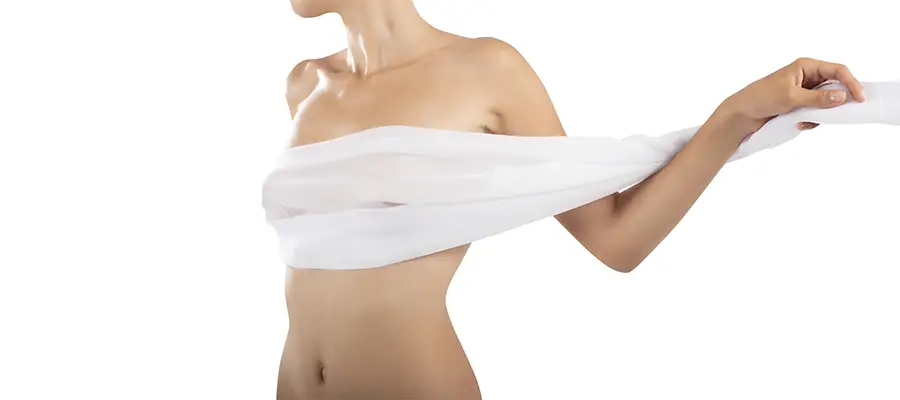
Breast augmentation, a procedure aimed at increasing breast volume, is a frequently preferred method in cosmetic surgery.
Breast augmentation is generally performed using silicone implants or fat injection. This procedure offers both physical and psychological benefits for individuals dissatisfied with their small breasts. Before breast augmentation surgery, implants suitable for the individual’s body type are selected. In addition to aesthetic concerns, individuals experiencing volume loss after childbirth may also opt for breast augmentation. The surgeon’s experience is crucial for achieving a natural and symmetrical appearance.
How is breast augmentation surgery performed?
Breast augmentation surgery is a surgical procedure performed under general anesthesia using silicone implants.
During the procedure, the implant is placed either under the breast tissue or under the muscle. The placement depends on the individual’s anatomy and the surgeon’s preference. Breast augmentation surgery typically takes 1-2 hours, and patients can be discharged from the hospital the same day. Because the stitches are hidden, scarring is minimal. While the recovery process after breast augmentation varies from person to person, a return to normal life is usually possible within a few weeks.
Differences Between Silicone Implants and Fat Injection
Breast augmentation with silicone implants offers more permanent and voluminous results compared to fat injection.
Fat injection involves transferring fat tissue taken from the patient’s own body to the breast. While this method offers a natural alternative, it provides only limited volume increase in a single session. Silicone implants, on the other hand, offer a long-term solution with various sizes and shapes. The choice of breast augmentation depends on the individual’s body type, expectations, and lifestyle. Both methods should be evaluated by a specialist physician and planned individually for each patient.
What Types of Breast Implants Are Used?
Breast augmentation implants are generally produced in teardrop (anatomical) and round shapes.
Round implants provide a fuller appearance, while teardrop shapes offer more natural contours. The surface of the implants can be smooth or textured, and this texture can be effective against capsule formation after placement. The size of the implant used in breast augmentation procedures is determined according to the individual’s breast structure and expectations. Implants are generally filled with silicone gel and are made from safe and durable materials. The selection process should be discussed in consultation with the surgeon.
Who is a suitable candidate for breast augmentation surgery?
Healthy individuals who are dissatisfied with their breast size are suitable candidates for breast augmentation surgery.
Breast augmentation surgery is particularly preferred in individuals whose breast development is complete. Those who experience volume loss after childbirth, breastfeeding, or weight loss frequently request this aesthetic procedure. It is also recommended for individuals with a significant size difference between their breasts. Before the procedure, the individual’s general health and expectations are evaluated in detail. Breast augmentation surgery can positively impact both physical appearance and self-confidence.
Is Breast Augmentation Surgery Permanent?
Breast augmentation surgery with silicone implants generally provides long-lasting and permanent results.
Modern breast augmentation implants are designed to maintain their shape for years. However, factors such as aging, weight changes, or pregnancy can affect breast appearance over time. Implants can generally be used safely for 10-15 years. If necessary, a new breast augmentation procedure can be performed to change the shape. Regular check-ups with a doctor and a healthy lifestyle are important to increase the longevity of the results.
Is Non-Surgical Breast Augmentation Possible?
Non-surgical breast augmentation methods that provide temporary volume increase are available, but they do not offer permanent results.
Non-surgical options include procedures like filler injections and radiofrequency ablation. These procedures offer a short-term breast augmentation effect and may need to be repeated. Furthermore, injection methods may provide only limited volume increase. For those seeking permanent volume, breast augmentation surgery is a more effective solution. Both methods should be evaluated by a specialist physician based on the individual’s expectations.
Breast Augmentation Recovery Process
The postoperative recovery process is usually completed within 1 to 2 weeks.
Patients can be discharged the same day after breast augmentation surgery. Mild pain, swelling, and tightness are normal in the first few days. Wearing a supportive bra as recommended by your doctor will speed up healing. Avoiding strenuous activities after breast augmentation helps protect the stitches. While patients can usually return to daily life within a week, intense activities such as sports can be resumed after a few weeks. Regular check-ups should not be missed during the healing process.
Is breastfeeding possible after breast augmentation surgery?
With the correct technique, breastfeeding is usually possible without any problems after breast augmentation.
The implants used during breast augmentation surgery generally do not damage the milk ducts. Especially with silicone implants placed under the muscle, breastfeeding function is largely preserved. However, incisions made around the nipple can rarely affect milk production. It is important for individuals planning to have children to discuss this in detail with their surgeon before breast augmentation surgery. Regular check-ups with a doctor are necessary to support the breastfeeding process after breast augmentation.
Breast Augmentation Prices 2026
Breast augmentation prices in 2026 typically range between $4,000 and $18,000, depending on implant type, country, and surgery details.
How long does breast augmentation surgery take?
Breast augmentation surgery typically takes between one and two hours.
Breast augmentation surgery can vary slightly in duration depending on the patient’s body type and the type of implant chosen. Before the surgery, the surgeon makes a detailed plan regarding the location of the incision and the layer where the implant will be placed. General anesthesia is used during breast augmentation, and the patient is kept under observation for a short period after the procedure. For a quick and safe recovery, the care instructions recommended by the doctor should be followed. Aesthetic success is directly related to the surgeon’s experience.
Can silicone implants burst?
Although silicone implants, made from durable materials, rarely rupture, it is not entirely impossible.
Silicone implants used for breast augmentation are long-lasting and meet high safety standards. However, over time, due to wear, trauma, or manufacturing defects, there is a risk of implant rupture. Thanks to the gel structure in modern implants, they do not disintegrate in the event of a rupture. The condition of the implant should be monitored with regular check-ups after breast augmentation surgery. In suspicious cases, evaluation can be performed using ultrasound or MRI imaging.
Will there be a scar after the surgery?
Breast augmentation surgery leaves minimal scarring, but its visibility significantly diminishes over time.
During breast augmentation surgery, incisions are usually made under the breast, in the armpit, or around the nipple. The surgeon’s experience, suturing technique, and your skin type will affect the visibility of postoperative scars. Silicone gels and laser treatments can help fade breast augmentation scars. Regular care and sun protection accelerate the healing process. Concealing scars is an important planning element in cosmetic surgery.
How to Achieve Natural-Looking Breast Augmentation?
Natural-looking breast augmentation is achieved through the selection of implants and surgical techniques appropriate to the body structure.
In breast augmentation surgery, the shape, size, and placement of the implant directly affect the aesthetic outcome. Anatomical, or teardrop, implants offer a more natural-looking appearance. Implants placed under the muscle provide a more natural transition. When planning a breast augmentation procedure, the individual’s rib cage structure and breast tissue should be taken into consideration. For natural results, the patient’s expectations and the surgeon’s recommendations should be aligned.
Will a prosthesis replacement be necessary?
Breast implants do not have a lifetime guarantee and may need to be replaced over time.
Silicone implants used after breast augmentation have a high durability, but they are not guaranteed to last a lifetime. Replacement is usually recommended after 10-15 years. Conditions such as implant displacement, capsule contracture, or deformation may necessitate replacement. Regular check-ups after breast augmentation should monitor the implant condition, and interventions should be made when necessary. With modern implants, this process can take much longer.
Is there pain after breast augmentation surgery?
Mild to moderate pain may be experienced in the first few days after breast augmentation.
Pain after breast augmentation surgery is usually manageable and temporary. There may be more tension in the first few days with implants placed under the muscle. This period is comfortably managed with painkillers prescribed by your doctor. Post-breast augmentation pain generally subsides within a few days, and swelling and tenderness disappear quickly. Regular follow-up and proper care accelerate the healing process.
Which type of prosthesis looks more natural?
Anatomical (teardrop) implants offer a more natural look because they mimic the natural shape of the breast.
Round implants used in breast augmentation provide fullness, while teardrop implants offer a smoother, more seamless transition. Breast structure and skin elasticity are influential factors in determining the type of implant. Teardrop implants are frequently preferred for those who want a natural-looking breast augmentation. However, successful results can also be achieved with round implants in some patients. The appropriate implant selection should be determined through detailed planning with the surgeon.