
What is Shave-Free Hair Transplantation?
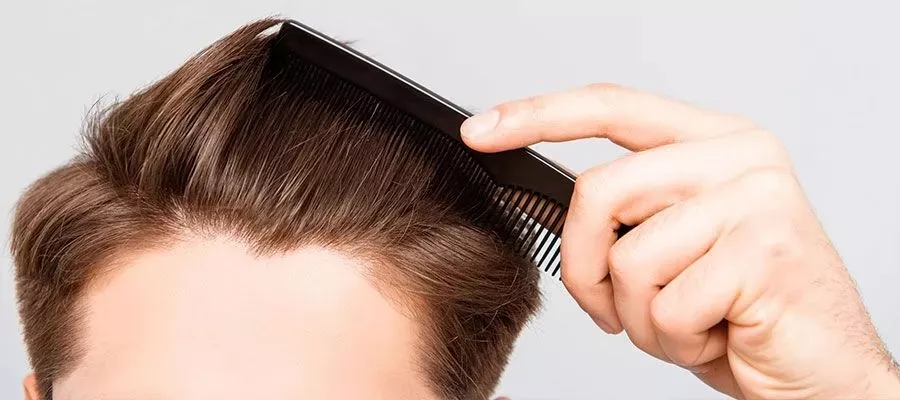
- Shave-free hair transplantation is a hair transplantation method performed without completely cutting the hair.
- It is usually performed using DHI or specialized FUE techniques.
- Existing hair is preserved, and only limited hair is harvested from the donor area.
- It is especially preferred by women and those who do not want to cut their hair.
- Only small areas can be partially shortened before the procedure.
- During the healing process, the transplant scar becomes less noticeable from the outside.
Who is suitable for unshaven hair transplantation?
Shave-free hair transplantation is suitable for individuals who need a small number of grafts and do not want to cut their hair.
Women, men seeking to correct their hairline, or those experiencing localized thinning can benefit from this procedure. It’s an ideal method for individuals who cannot shave their heads due to work or social reasons. It’s suitable for those whose hair length is sufficient to conceal a shave. It’s generally preferred for small areas, typically requiring 1000–2000 grafts. With proper patient selection and planning, aesthetic, natural, and undetectable results can be achieved.
Who is not suitable for unshaven hair transplantation?
Shave-free hair transplantation is not suitable for those with extensive hair loss or those requiring a large number of grafts.
This method is a technique that allows for the application of a limited number of grafts. Therefore, in cases of large hair loss, the procedure time is longer and the success rate may decrease. In individuals with short hair, the local shave in the donor area cannot be concealed, which can be visually disturbing. Furthermore, graft placement may be more difficult in individuals with unsuitable hair quality. While the unshaven method offers aesthetic advantages, it is not suitable for everyone. For patients requiring extensive hair transplantation, the classic FUE method is more effective.
How is a hair transplant performed without shaving?
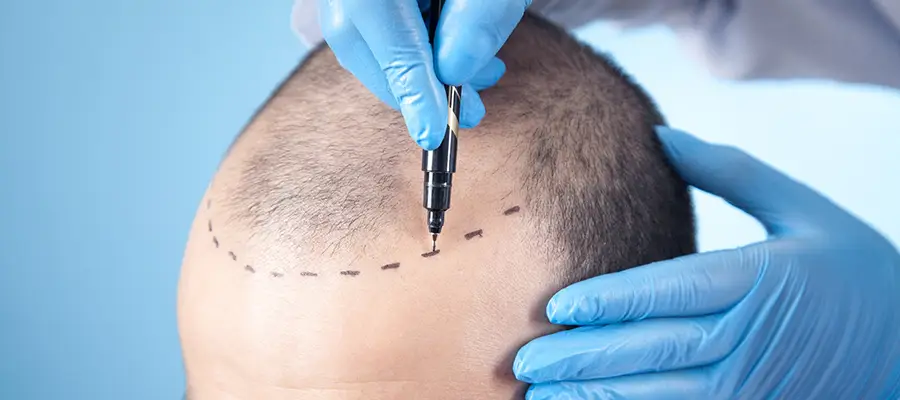
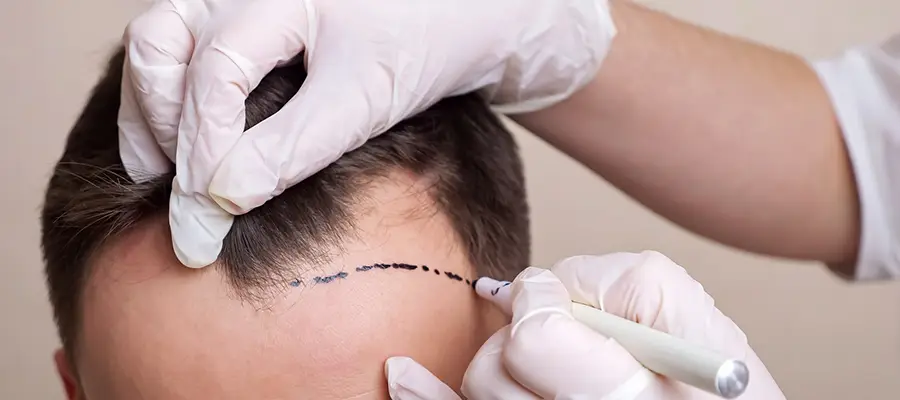
Shave-free hair transplantation is performed by directly implanting grafts, which are extracted through local shaving without cutting the hairy area, using a special pen.
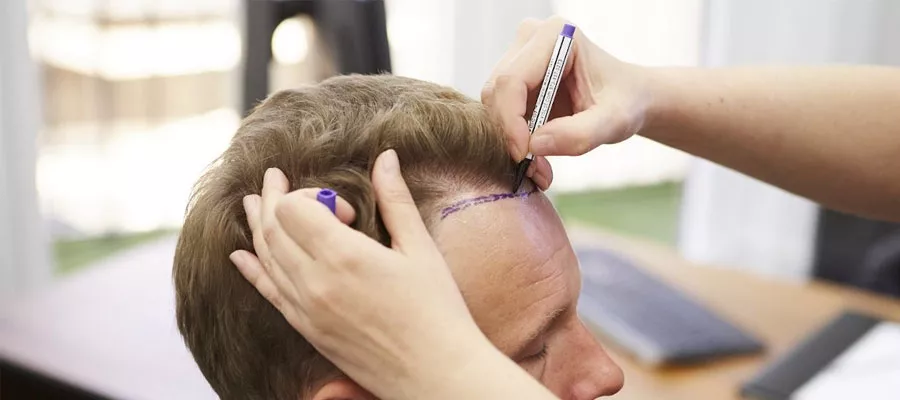
The DHI method forms the basis of this technique. Grafts taken from the donor area are directly implanted into the unshaven area. Because the area is unshaven, the implantation among the hair is not noticeable from the outside. Hair directions are carefully determined before the procedure, and a natural density is achieved. It is generally ideal for the front hairline, temples, and minor thinning areas. Quick return to social life and aesthetic integrity are its greatest advantages. Effective results can be obtained with professional application.
What are the non-shave hair transplant methods?
Shave-free hair transplantation is generally performed using DHI and, in certain cases, shave-free FUE techniques.
DHI (Direct Hair Implantation) technique is the most preferred method for hair transplantation without shaving. Grafts are directly implanted into the hairy area using a special pen. Shave-free FUE, on the other hand, is performed by shaving a small portion of the donor area. Natural density is achieved without visible shaving of the scalp. Both techniques are suitable for individuals who have aesthetic concerns and do not want to cut their hair. The method is chosen according to the size of the area.
Shave-Free FUE Hair Transplantation
- Shave-free FUE hair transplantation is an FUE method in which the hair is not completely cut, but only limited and discreet trimming is done in the donor area.
- Hair follicles are extracted one by one from among the long hairs.
- The transplanted area is usually not shaved either.
- This method is particularly advantageous for those who want to return to their social lives quickly.
- Existing hair is preserved, and it is not externally apparent that any treatment has been applied.
- However, the processing time is longer.
- It may not always be preferred for large open spaces.
Shave-Free DHI Hair Transplant
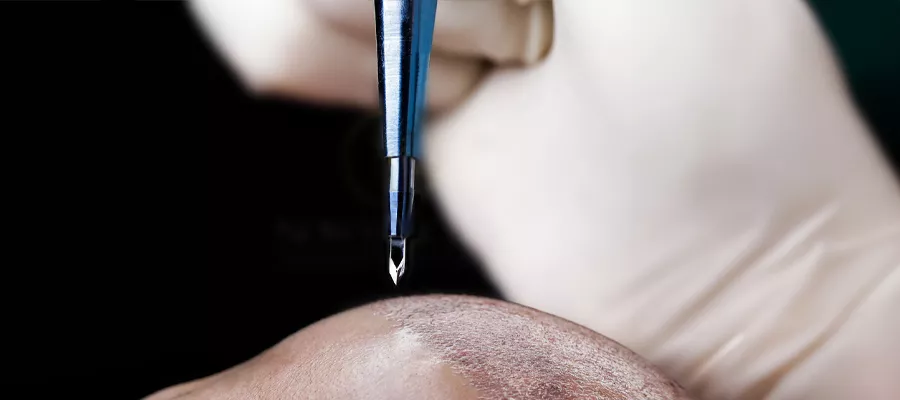
Shave-free DHI hair transplantation is a technique where grafts are directly implanted using a special pen without cutting the hair.
In this technique, a small portion of the donor area is shaved, leaving the hair transplant area completely natural. Thanks to the DHI pen, grafts are harvested and placed in a single step, shortening the procedure time. It is an ideal method for women and individuals seeking hairline correction. Its biggest advantage is that the post-procedure appearance is preserved and the healing is imperceptible. It can be applied effectively, naturally, and without leaving scars to small areas.
Differences Between Unshaven and Shaved Hair Transplantation
In unshaven hair transplantation, the hair is not cut during the procedure, while in shaved transplantation, the entire hairline is completely shaved.
While unshaven hair transplantation preserves aesthetic appearance, it is more limited in terms of procedure time and graft number. Shaved hair transplantation offers advantages in larger areas and for high graft needs. The unshaven method offers privacy and comfort, while the shaved method offers faster recovery and ease of planning. The patient’s expectations, hair structure, and area of hair loss determine the method. Both techniques yield effective results with appropriate patient selection.
Advantages and Disadvantages of Shave-Free Hair Transplantation
While unshaven hair transplantation offers the advantage of preserving appearance, it is limited in terms of graft number and application area.
Its advantages include being performed without cutting the hair, the healing process being unnoticeable, and a quick return to social life. It is ideal especially for women and those who want to transplant small areas. However, the procedure takes longer and is only applicable to those who need a limited number of grafts. The unshaven method is not sufficient for areas of extensive hair loss. The experience of the practitioner is of great importance because working on hairy areas is difficult. It is an advantageous alternative for those with aesthetic concerns.
How long does a hair transplant without shaving take?
Shave-free hair transplantation can take an average of 6 to 10 hours, depending on the number of grafts.
Because this procedure is performed without cutting the hair, the working area is smaller. Therefore, both the graft harvesting and implantation phases can take longer. Especially when using the DHI method, placing the grafts one by one with a special pen takes time. While the procedure is shorter for those requiring fewer grafts, it can take a full day for those with a borderline number of grafts. Breaks are given for the patient’s comfort. Pre-procedure planning is important.
How many grafts can be done with a non-shave hair transplant?
In unshaven hair transplantation, typically between 1000 and 2500 grafts can be applied.
Because the hair is not cut, the workable area is limited, making it difficult to apply a high number of grafts. It is ideal for small areas of thinning or hairline corrections. Women and men who do not want to interrupt their social lives can benefit from this method. If more grafts are needed, either the procedure is divided into 2 days or a shaved transplant is preferred. The maximum number of grafts is planned according to the hair structure, the degree of thinning, and the donor area.
What is the recovery process like after a hair transplant without shaving?
The recovery process after unshaven hair transplantation is rapid, and the scabs usually fall off within 7–10 days.
Since the transplanted area is not shaved, returning to social life is much easier. Avoid contact with water for the first 3 days, then start washing with special shampoos. Mild redness and scabbing will occur, but these are hidden among the hairs. The shock shedding process may begin within 2-6 weeks. New hairs will start growing from the 3rd month onwards, and full results are seen within 1 year. Paying attention to care and hygiene rules will speed up the process and positively affect the results.
Does unshaven hair transplantation look natural?
Yes, unshaven hair transplantation, when properly planned, offers a very natural look.
In this method, since the existing hair is not shaved, the newly transplanted hair blends seamlessly with the existing hair. Especially in applications performed with the DHI technique, the direction and density of hair growth appear more natural because the hairs are placed one by one. It is ideal for women who want to correct their hairline, and for men experiencing thinning in small areas. With the correct angle, direction, and graft distribution, the hair transplant becomes virtually undetectable. As the transplanted hair grows, the newly transplanted hair adapts to the existing structure. When performed by an experienced specialist, natural and aesthetic results can be achieved with shave-free hair transplantation.
Is Hair Transplantation Without Shaving Permanent?
Yes, hair follicles transplanted with unshaven hair transplantation generally last a lifetime.
In this method, grafts are taken from areas resistant to hair loss, such as the nape of the neck, so the hair does not fall out in its new location. Although the transplanted hairs may temporarily fall out within 2-6 weeks, they begin to grow again from the 3rd month onwards because the roots remain under the skin. The results become noticeable in the 6th month, and the full result is achieved in the 12th month. The permanence depends on the area from which the grafts are taken, the transplantation technique, and the doctor’s experience. Following proper care and hygiene rules also affects the results. Shave-free hair transplantation offers a permanent solution along with visual comfort.
Shave-Free Hair Transplant Prices 2026
In 2026, the average price for hair transplantation without shaving ranges from 2,000 £ to 7,000 £
Can I wear a hat after a hair transplant without shaving?
Wearing a hat is strongly discouraged for the first 7-10 days after a hair transplant without shaving.
During this period, no accessories that come into contact with the scalp should be worn to prevent the grafts from becoming dislodged and to ensure a healthy healing process. After the first week, loose, breathable medical caps can be worn for short periods with the doctor’s approval. However, tight, rigid caps or caps that put pressure on the scalp should absolutely not be worn. After the grafts have fully taken root, daily hat use can be gradually resumed, usually after the 10th day. It is important to follow your doctor’s advice throughout this process.
Can a hairdryer be used after a hair transplant without shaving?
Using a hair dryer is inadvisable for the first 10 days after a hair transplant without shaving.
To prevent newly transplanted grafts from being affected by hot air and pressure, the hair should be allowed to dry naturally during this process. Devices that apply heat to the scalp can negatively affect graft retention. After the 10th day, a hair dryer can be used at a low temperature and from a distance. However, high heat, close contact, and prolonged drying are absolutely not recommended. Natural drying should be prioritized, and if necessary, devices that blow cool air should be preferred.
When does hair start to grow after a hair transplant without shaving?
After a hair transplant without shaving, hair usually starts to grow from the 3rd month onwards.
Shock shedding may occur in the first 2-6 weeks; this is a normal process. Although hair strands fall out during this period, the roots continue to live under the skin. New hair growth begins around the 90th day. Noticeable results are seen at 6 months, while the full appearance becomes apparent after 12 months. The rate of hair growth can vary from person to person. In unshaven hair transplants performed with the DHI method, the direction and natural appearance are preserved, and the hair grows regularly. Patience is required, and the process should be monitored.
Will the hair direction look natural after a hair transplant without shaving?
Yes, hair transplantation without shaving, when performed with the correct technique and direction of hair growth, provides a natural look.
Especially in procedures performed using the DHI method, grafts are placed according to the natural angle of hair growth. Since hair direction varies depending on the forehead, temples, and crown, it is crucial to pay attention to these angles during transplantation. In unshaven transplants performed by an expert team, the hair direction alignment is imperceptibly natural. This provides both visual aesthetics and ease of hair styling. Incorrectly oriented transplantation, however, can spoil the natural appearance. Therefore, choosing the right doctor is critical.
Will there be scarring after a hair transplant without shaving?
If performed with the correct technique, hair transplantation without shaving leaves no visible scar.
In this method, grafts are harvested using micro-sized instruments, resulting in rapid healing in the donor area. Since minimal trauma is caused to the scalp, the procedure can be completed without leaving scars. However, if post-operative care is neglected or if too many grafts are harvested, small white dots may appear in the donor area. These usually become invisible as the hair grows back. When performed by an experienced team, unshaven hair transplantation offers an aesthetically pleasing, scarless result. It is important to follow your doctor’s recommendations during the healing process.
Are the results of unshaven hair transplantation permanent?
- Yes, the results obtained after unshaven hair transplantation are permanent.
- Hair follicles used during the transplant are taken from the donor area.
- These roots are genetically resistant to shedding.
- Whether done shaved or unshaven does not affect the duration.
- Shock hair loss may occur in the first few months.
- This is temporary, and the roots will remain in place.
Which is better: unshaven or shaved hair transplantation?
- Shaved hair transplantation allows for the harvesting of more grafts and their more homogeneous distribution in areas with large bald patches.
- Operation time is generally shorter, and technical control is easier.
- Shave-free hair transplantation is ideal for those who want to preserve their existing hair.
- It allows for a quicker return to social life and the transaction traces are less noticeable.
- However, the number of grafts may be limited with the unshaven method.
- There is no difference between the two methods in terms of naturalness and permanence.
- The most appropriate method is determined based on the degree of hair loss, donor capacity, and expectations.