
What is a mustache transplant?
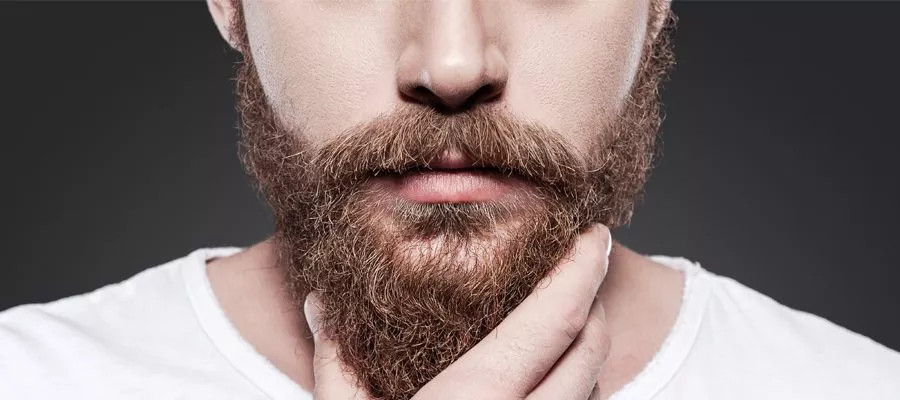
Moustache transplantation is a procedure in which hair follicles are transplanted to areas where moustache growth is sparse or nonexistent.
This procedure offers a permanent solution for individuals with sparse mustache density due to personal preference or genetic factors. Healthy hair follicles, usually taken from the nape of the neck, are carefully transplanted to the mustache area. Transplantation performed at the correct angles provides a natural and symmetrical appearance. Mustache transplantation is a microsurgical procedure performed for aesthetic purposes. It is performed under local anesthesia, and patients are usually discharged the same day. There is a short recovery period after the procedure. Results become apparent and permanent within 6-12 months.
How is a mustache transplant performed?
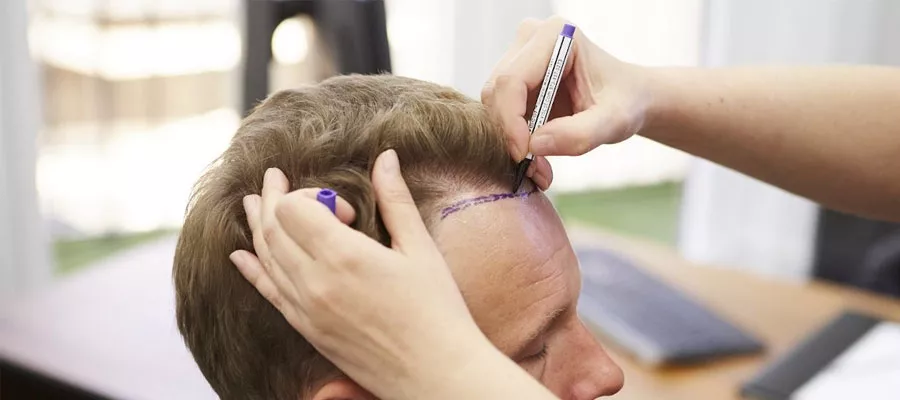
Moustache transplantation is performed by implanting grafts taken from the donor area into the moustache line at a natural angle.
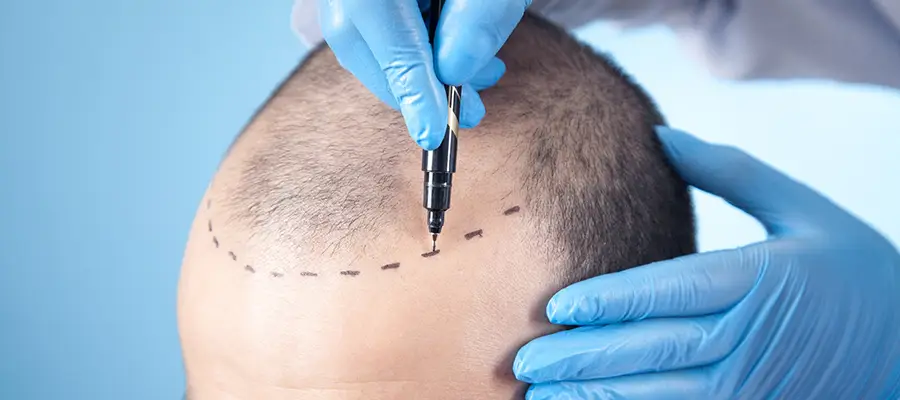
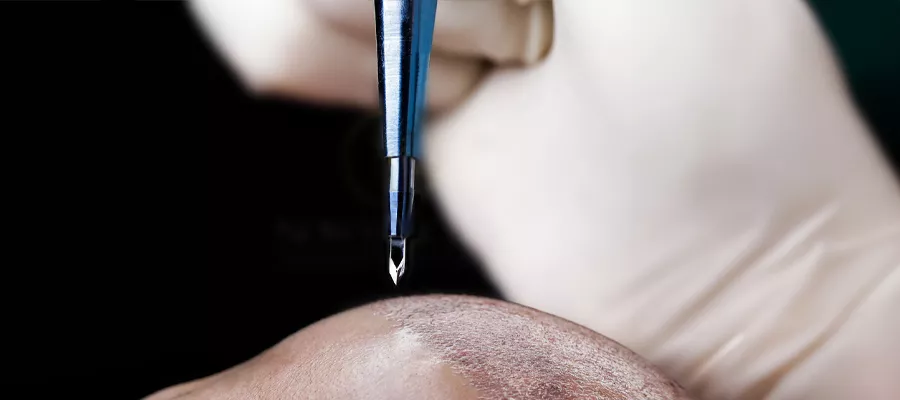
Hair follicles are usually harvested from the nape of the neck using a micro-motor or manual method. The harvested grafts are individually placed in the mustache area, following the direction of hair growth. Local anesthesia is applied during the transplantation, so the patient does not feel pain during the procedure. The session duration can vary between 2-4 hours depending on the number of grafts to be transplanted. Special care is provided to the area after the procedure. Redness and scabbing may occur in the first few days. The normal appearance returns within 1-2 weeks. Careful attention to the healing process is important for lasting results.
What are the benefits of a mustache transplant?
- It provides permanent hair density in areas with sparse or no hair growth (mustache).
- It fills in gaps in the mustache caused by genetic factors.
- It camouflages hair loss due to scars, burns, or trauma.
- It creates a natural mustache look that complements your facial features.
- It aesthetically complements the beard and mustache.
- It enhances a person’s facial expressions and masculine appearance.
Who is it suitable for?
Moustache transplantation is suitable for men who have no or sparse moustache growth and have a healthy donor area.
Individuals who do not grow a mustache due to hormonal reasons or who experience mustache loss after wounds or burns can benefit from this procedure. The transplant yields successful results for individuals from whom a sufficient number of grafts can be obtained from the donor area. Men who wish to define their mustache line for aesthetic reasons are also suitable candidates. It is applicable to individuals over 20 years of age who are in good general health. A personalized plan should be made after a doctor’s evaluation. It is an effective option for those seeking a permanent solution.
Who is it not suitable for?
Moustache transplantation is not suitable for individuals with active skin disease or those who do not have sufficient donor grafts.
The procedure may be risky for individuals with advanced diabetes, blood clotting disorders, or immune system problems. The desired result may also not be achieved in those who do not have sufficient hair follicle density in the donor area. Furthermore, the procedure should be postponed if there are active skin infections, eczema, or seborrheic dermatitis. The healing process may be slower in individuals who smoke and consume alcohol excessively. A specialist examination and detailed evaluation are necessary to determine suitability. Having realistic expectations increases the success rate.
What is the difference between mustache transplantation and beard transplantation?
While mustache transplantation is performed on the upper lip area, beard transplantation covers the chin, cheeks, and sideburns.
Mustache transplantation is performed to add density to a smaller area. Beard transplantation, on the other hand, is generally applied to larger areas and requires more grafts. In mustache transplantation, determining the direction of the hair requires much more precise planning because symmetry is paramount. In beard transplantation, the goal is density and harmony with the jawline. In both procedures, the donor area is usually the nape of the neck. Although technically similar, the application area and aesthetic goals differ.
In what situations is a mustache transplant preferred?
- In people who do not grow a mustache or have very sparse mustaches due to genetic reasons
- In individuals with gaps and irregular hair distribution in the mustache area.
- In individuals experiencing mustache loss due to scarring, burns, or trauma.
- In cases where permanent hair regrowth cannot be achieved even after hormonal problems are resolved.
- In people with aesthetic discrepancies between their beard and mustache
- For those who want a more defined and shaped mustache appearance.
What is the donor area?
In mustache transplantation, the donor area is usually the nape of the neck because the hair follicles in this area are resistant to shedding.
Hair follicles taken from the nape of the neck can structurally adapt to the mustache area. The follicles are carefully collected and implanted in the mustache area at their natural growth angle. Besides the nape, chest or body hair can also be used as donor hair if necessary. However, the most successful and lasting results are usually obtained with grafts taken from the nape of the neck. The density and quality of the donor area directly affect the success of the transplant. Appropriate graft selection is the most important step for a natural look.
Risks and Complications of Moustache Transplantation
Moustache transplantation is generally a safe procedure, but temporary complications such as infection, redness, and swelling can occur.
Mild pain, swelling, and crusting may occur in the post-operative area. These symptoms usually disappear spontaneously within a few days. Rarely, complications such as graft failure, asymmetrical appearance, or scarring may occur. The risk of infection can be reduced with proper hygiene and antibiotic support. Excessive smoking, alcohol consumption, and inadequate aftercare can delay healing. All risks can be minimized with procedures performed by a specialist doctor in a sterile environment. A detailed preliminary assessment increases the chances of success.
What Causes Acne (Folliculitis) After Mustache Transplantation?
Acne (folliculitis) after mustache transplantation can occur as a result of newly grown hairs becoming trapped and inflamed under the skin.
In the first few weeks, pores are sensitive, and if proper care isn’t taken, infections can develop in the hair follicles. Additionally, sweating, contact with dirty hands, and excessive oiliness can increase acne formation. It may occur more frequently in some people depending on skin type. It usually appears as small, painless pimples and clears up on its own within a few days. If necessary, antibacterial creams can be used as recommended by a doctor. Regular cleansing and proper care are effective in preventing this condition.
Does Mustache Transplantation Look Natural? The Most Common Mistakes
Yes, a mustache transplant performed at the correct angle and density will look natural; the biggest mistake is ignoring symmetry.
Incorrectly implanting hair follicles can cause the mustache to grow upright or look artificial. Furthermore, excessively dense implantation can contradict the natural mustache structure. Failure to properly plan the mustache line before implantation, considering facial features, can lead to aesthetically unpleasing results. Directional errors and density imbalances are common in procedures performed by inexperienced individuals. For a natural look, implantation should be done symmetrically, at the correct angle to match the hair direction, and with appropriate density. Working with an expert doctor will prevent these errors.
Moustache Transplant Prices 2026
In 2026, mustache transplant prices will range from 2,000 £ to 6,000 £ depending on the technique used and the number of grafts.
When Should You Start Sports/Fitness? Does Weightlifting Affect Grafts?
It is recommended to wait at least 2-4 weeks before resuming sports after a hair or mustache transplant; early movement can affect the grafts.
Strenuous exercise can increase blood pressure and sweating, making graft engraftment more difficult. Lifting weights can increase blood flow to the head area, raising the risk of edema and sagging. Low-intensity activities such as light-paced walking should be preferred during this period. Intense training before full healing can lead to graft loss. An exercise program should be started under the supervision and guidance of a specialist. Each individual’s healing process is different, so there is no need to rush.
Does smoking spoil the results of a mustache transplant, and how many days should one quit?
Yes, smoking negatively affects the outcome of a mustache transplant; it is recommended to quit at least 7 days before the procedure.
Smoking constricts blood vessels, hindering the nourishment of grafts and delaying healing. Nicotine reduces oxygenation, inhibiting cell regeneration. Avoiding smoking for the first 10 days after the procedure increases graft retention. Staying away from smoking during the healing process also accelerates the scabbing process. For lasting and healthy results, it is recommended to avoid smoking for at least one month. Quitting smoking completely is best for both the success of the procedure and overall health.
When is it permissible to drink alcohol?
It is recommended to wait at least 7-10 days before consuming alcohol after a mustache or hair transplant.
Alcohol can thin the blood, increasing the risk of post-operative bleeding. It also slows the healing process and can increase swelling. Alcohol can interact with medications, raising the risk of complications, especially for those taking antibiotics and painkillers. Rest is crucial during the first week to allow the body to accept the grafts and for the area to heal. Alcohol consumption should be avoided during this period for lasting results. Alcohol should not be consumed without expert approval.
When can a shaver be used?
It is generally recommended to wait 4-6 weeks before using a shaver after a mustache transplant.
This time is necessary for the grafts to fully settle and for the skin surface to heal. Premature machine shaving can damage the grafts. The first shave should preferably be done carefully with scissors. Electric shavers should not be used for at least one month because they apply pressure. This period may be longer depending on skin sensitivity. A safe shaving timing should be determined under the supervision of a specialist doctor. Proper care and patience are important for natural results.
Can I Get an Ingrown Hair, and How Can I Tell?
Ingrown hairs are rare after mustache transplantation and usually manifest as small, inflamed pimples.
Ingrown hairs occur when newly grown hairs become trapped under the skin. This condition is usually observed as folliculitis. Symptoms include redness, swelling, tenderness, and blisters filled with pus. If the hair grows in the wrong direction, it can curl under the skin. Poor hygiene, sweating, and premature shaving can increase this risk. It is usually temporary and easily treated with an antibacterial cream recommended by a doctor. To prevent it from becoming permanent, care instructions should be followed. In severe cases, dermatological support may be required.
Will “crooked/asymmetry” after a mustache transplant correct itself, and when will it settle?
Yes, asymmetry after mustache transplantation is usually temporary, and the results will look natural within 6-12 months.
In the first few months, scaling, swelling, or shock shedding may cause the mustache to look uneven. There’s no need to panic during this period, as the mustache will grow evenly over time. Significant improvement is seen from the third month onwards, and density increases by the sixth month. By the 12th month, symmetry is largely achieved. If persistent asymmetry exists, it can be corrected with touch-up procedures. Patience and regular follow-up are crucial during this process. The maintenance routine recommended by the specialist should not be neglected.
What to do if the mustache hairs grow in a different direction after a mustache transplant?
After a mustache transplant, hairs that grow in a different direction will eventually regain their direction and can be corrected with shaping if necessary.
The first hairs that grow at the mustache can sometimes grow at undesirable angles, which is quite common. Over time, the hair strands will find their direction and grow more horizontally. This irregularity is considered normal within the first 6 months. If necessary, guidance can be achieved with scissors or shaping with a mustache brush. If very sharp growth angles are aesthetically bothersome, minor adjustments can be made under the supervision of a specialist. For a permanent solution, it is necessary to wait for the final results to be seen.
Is it necessary to apply cream/serum after a mustache transplant?
Yes, using creams or serums after a mustache transplant, as recommended by a specialist, supports healing and graft retention.
In the initial days, moisturizing lotions or soothing creams can reduce scaling in the treated area. Antibacterial creams provide protection against the risk of infection. Some serums support the nourishment of hair follicles and promote faster growth. However, not every product is suitable for every skin type and should always be used under a doctor’s supervision. Ingredients that may harm the skin should be avoided, and chemical products should not be used. Regular and proper care is the greatest support for lasting and healthy results.