
What is liposuction?
Liposuction is a surgical procedure that involves removing excess localized fat from the body using a vacuum device.
Liposuction is generally preferred for stubborn fat deposits that cannot be eliminated through diet and exercise. It can reduce fat accumulation in areas such as the abdomen, waist, hips, arms, back, and chin. Because liposuction offers aesthetic contouring, it is applied for body shaping purposes, not as a weight loss method. Skin tightening may also be observed after the procedure, depending on skin elasticity. For lasting results, a healthy lifestyle should be adopted after liposuction.
In which areas is liposuction applied?
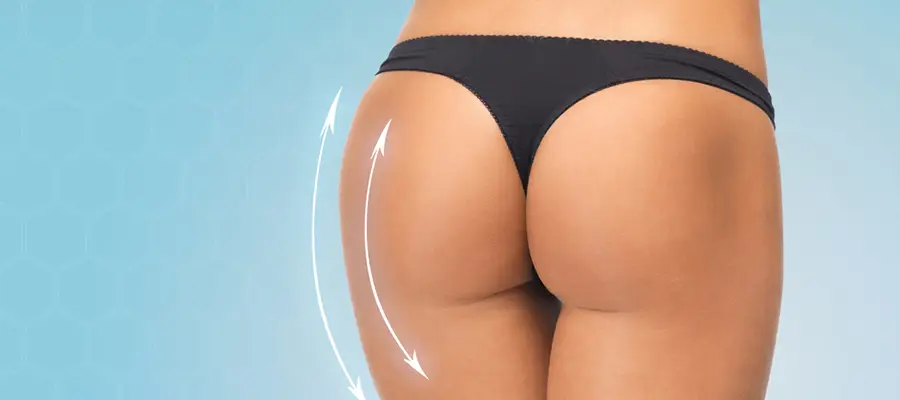
Liposuction is most commonly performed on the abdomen, waist, hips, thighs, arms, back, and chin area.
Liposuction can also be performed in areas such as the inner knees, ankles, back, chest, and neck. This procedure, which helps to reshape the body, is carried out by removing subcutaneous fat tissue. The areas chosen for liposuction are generally those with a high concentration of fat cells that cause deformities. The area to be selected is determined according to the individual’s anatomy and needs. Liposuction helps to make the body contour more balanced.
Who is liposuction suitable for?
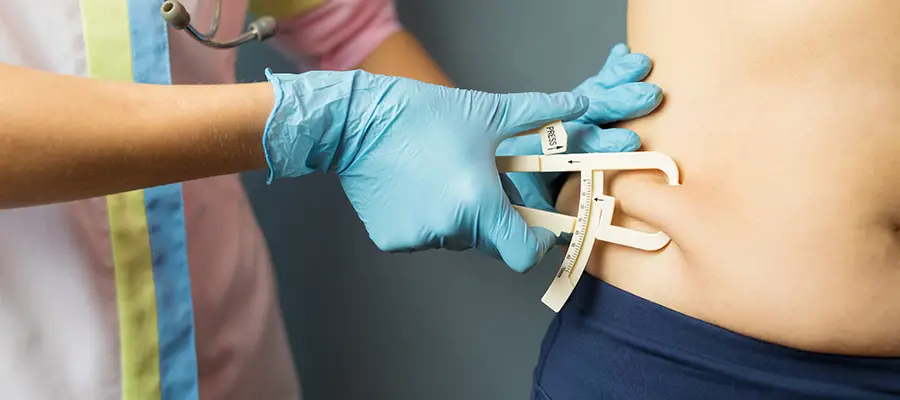
Liposuction is suitable for people who are in good general health and have localized excess fat.
Individuals with a normal body mass index but stubborn fat deposits in certain areas are among the candidates for liposuction. Ideal candidates for liposuction are those with elastic skin and no serious chronic diseases. The procedure is not for weight loss; it is performed to reshape body contours. Those considering liposuction should have a personalized plan created through a pre-procedure evaluation by a physician. Weight control after liposuction is important for lasting results.
How is Liposuction Surgery Performed?
Liposuction involves removing excess fat tissue from under the skin using special cannulas and a vacuum suction device.
The procedure is performed under local or general anesthesia. During liposuction surgery, special fluids are first injected to break down and liquefy the fat tissue. Then, the fat is removed by vacuum through small incisions. Liposuction can take 1 to 3 hours depending on the area treated. Wearing a compression garment afterward is recommended. This procedure helps to define the shape of the treated areas and makes the skin smoother. A careful recovery period is necessary after the operation.
Differences Between Classic and Vaser Liposuction
While classic liposuction is mechanical, Vaser liposuction uses ultrasound energy to liquefy and remove fat.
VASER liposuction causes less tissue trauma and a more comfortable recovery process compared to classic liposuction. In this technique, ultrasonic vibrations separate fat cells without damaging surrounding tissues. Classic liposuction, on the other hand, is performed by direct suction. VASER liposuction allows for more defined body contours, while bruising and pain are less noticeable compared to the classic method. Both methods provide localized slimming through liposuction; however, the choice of method should be determined based on the individual’s body type.
Is Liposuction a Permanent Procedure?
Fat cells removed through liposuction are permanently eliminated from the body.
However, lifestyle after the procedure is crucial. Fat cells removed during liposuction do not regenerate. However, if unhealthy eating and inactivity continue, the remaining fat cells can grow. Therefore, maintaining an ideal weight after liposuction is important to preserve the results. While liposuction aesthetically improves body contour, long-term success depends on healthy habits. As long as weight control is maintained, the body shape achieved with liposuction can be preserved for a long time.
Liposuction Recovery Process
Swelling and bruising may occur in the first few days; the recovery process after liposuction typically takes 2 to 4 weeks.
Mild swelling and pain immediately after the procedure are normal. Special compression garments are used during the liposuction recovery period to prevent deformities. Heavy exercise should be avoided for the duration recommended by your doctor, and you should drink plenty of water. Sensitivity in the treated areas may persist for a few weeks. Full results usually become apparent within 3 months. Post-liposuction care is crucial during this period, which supports the healing process.
Can sagging occur after liposuction?
Individuals with low skin elasticity may experience sagging after liposuction.
Age, genetic factors, and the area being treated all affect this. Liposuction reduces fat tissue but does not remove excess skin. Therefore, sagging after liposuction is more likely, especially in areas like the abdomen, arms, or neck. This usually does not occur in individuals with high skin firmness. If necessary, additional skin tightening procedures can be performed after liposuction. A detailed evaluation should be performed before liposuction to reduce the risk of sagging.
Liposuction Prices 2026
Liposuction prices in 2026 typically range between $3,000 and $15,000, depending on treated areas, technique, and country.
Can you lose weight with liposuction?
Liposuction is not a weight loss method; it is used for localized slimming and body shaping.
This procedure aims to reduce stubborn fat deposits in the body. However, weight loss is not possible with liposuction because the amount of fat removed is limited. Liposuction typically reshapes fat accumulated in areas such as the abdomen, waist, hips, or arms. When supported by healthy eating and exercise, liposuction results are maintained for a longer period. It is not an ideal solution for individuals with weight problems; its primary goal is aesthetic improvement.
Will there be pain after liposuction?
It is quite normal to experience mild to moderate pain and tenderness after liposuction.
Swelling, bruising, and pain may be experienced in the liposuction areas during the first few days. These symptoms can be relieved with pain medication prescribed by your doctor. While the recovery process after liposuction varies from person to person, pain generally subsides within the first week. Compression garments are important for both swelling control and comfort. Post-liposuction pain is usually temporary and manageable.
Does liposuction leave scars?
Liposuction is usually performed through small incisions of 3-5 mm, so it leaves minimal scarring.
The scars that remain after the procedure are often concealed within natural skin lines, making them aesthetically invisible. The appearance of liposuction scars can vary depending on the individual’s skin type and the healing process. Thanks to modern techniques, the risk of scarring after liposuction is minimal. Furthermore, regular aftercare, silicone-based creams, and doctor’s recommendations can reduce scar formation. With proper healing, noticeable scars generally do not form after liposuction.
Can liposuction be repeated?
Liposuction can be repeated if needed and is generally performed safely.
Sufficient healing time is required in the body after the first procedure. Repeated liposuction procedures may be necessary, especially targeting different areas or stubborn fat deposits in the same area. When liposuction is repeated, skin elasticity, previous scarring, and overall health should be considered. Repeat procedures performed by experienced surgeons can yield successful results. However, adopting healthy lifestyle habits provides more lasting results than frequently undergoing liposuction.
How long should a compression garment be worn after liposuction?
Wearing a compression garment after liposuction is generally recommended for 4 to 6 weeks.
During this process, a compression garment is important to reduce swelling and support the body’s adaptation to its new shape. Regular compression garment use in the early post-liposuction period accelerates healing and helps prevent skin sagging. It can be worn 24 hours a day during the first few weeks, and then for shorter periods as recommended by your doctor. A post-liposuction compression garment positively impacts the process in terms of both aesthetic appearance and comfort. The duration of use may vary depending on individual planning.
Can fat removed with liposuction return?
Fat cells removed by liposuction are permanently eliminated from the body, but weight can be regained.
Lifestyle is crucial because any remaining fat cells can grow back after the procedure. Maintaining healthy eating and exercise habits after liposuction reduces the risk of fat returning. However, weight gain can lead to new fat deposits in different areas. Careful attention is necessary to maintain body shape after liposuction. Therefore, this procedure is not a permanent weight loss method, but rather a method for localized body shaping.
When can I exercise after liposuction?
Light sports can generally be resumed 2 weeks after liposuction, while strenuous exercise should be avoided for 4-6 weeks.
Since the recovery process varies from person to person, a return-to-sport plan after liposuction should be personalized. Early exercise supports healing by increasing circulation, while strenuous activities can pose risks in terms of stitches and swelling. Sensitivity and bruising in the liposuctioned areas should be considered. Under medical supervision, physical activity during the post-liposuction period contributes to maintaining aesthetic results.